2026-08-27 ·
Lake-Effect Snow and Ice Dams: Why Parma Roofs Leak Every Winter
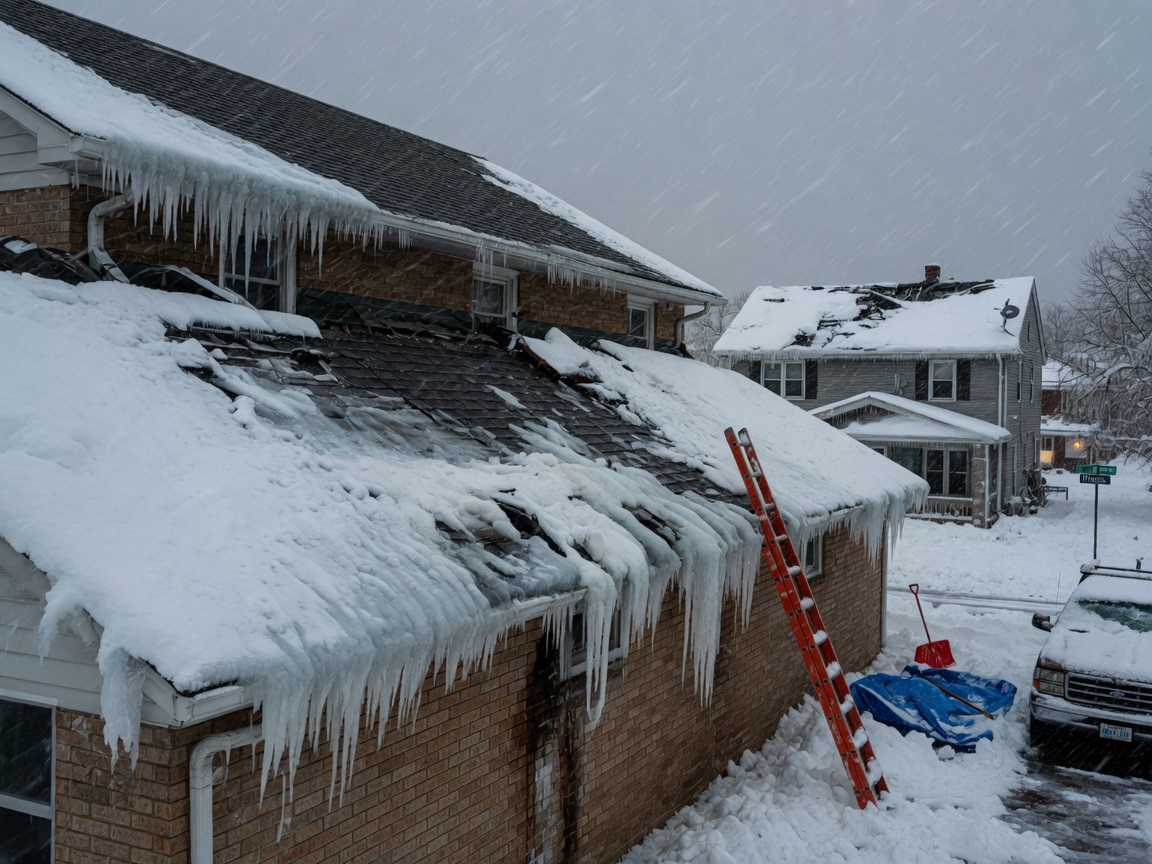
Lake-effect snow combined with Cuyahoga County winters builds ice dams that push water under shingles and create roof leaks in Parma homes, most often showing up in attics between January and March.
Lake-Effect Snow Patterns Around Parma
Parma sits in the snow belt south of Lake Erie, so cold northwest winds pick up moisture and drop heavy snow across neighborhoods such as Ridgewood, Pleasant Valley, and along State Road. These storms often dump 12 to 24 inches in a single event, then temperatures swing above freezing for a day before dropping again. The melt-and-freeze cycle repeats through the season and loads north-facing slopes first. Homes near Cleveland Metroparks and Parma Senior High School see the same pattern because the tree cover and open fields do not block the wind. The result is deeper snow packs on roofs than in Cleveland Heights or Parma Heights, where the lake effect is sometimes lighter.
How Ice Dams Form on Local Roofs
Heat escaping through the attic melts the bottom layer of snow while the outer surface stays frozen. Water runs down the slope until it hits the cold eave and refreezes, forming a dam that grows thicker each cycle. In Parma the typical two-story homes built in the 1950s and 1960s have shallower roof pitches that trap more snow than steeper modern designs. Once the dam reaches six to eight inches high, meltwater backs up and finds gaps at nail holes, flashing, and valleys. Gutters packed with ice only make the backup worse, sending water under shingles and into the sheathing.
Why Leaks Appear in Parma Homes
Older asphalt shingles in the State Road and Pearl Road corridors have lost granule coverage after 15 to 20 winters, leaving felt exposed where ice dams sit. Water then travels along rafters and soaks insulation above bedrooms and hallways. Seven Hills and nearby sections of Parma see extra problems because many homes back up to wooded lots that hold extra snow and reduce sun exposure on the roof. Leaks often start small, staining ceilings, then grow after the next thaw. Without prompt attention the sheathing rots and the repair cost rises quickly.
Practical Steps Homeowners Can Take
Clear snow from the lower four feet of the roof with a roof rake after each major storm, working from the ground to avoid climbing on ice. Keep attic insulation and ventilation balanced so the roof deck stays closer to outdoor temperature. Check that downspouts empty at least six feet from the foundation so meltwater does not refreeze near the house. Schedule a roof inspection before Thanksgiving to spot weak flashing and valleys before the first lake-effect event. If a dam has already formed, emergency roof tarping can stop active leaks until temperatures rise.
When Repair or Replacement Makes Sense
Homes along Pleasant Valley that still have the original shingles often reach the point where repeated ice-dam repairs cost more than a new roof. In those cases a full replacement with ice-and-water shield along the eaves and valleys stops the cycle. The article How Long Does a Roof Last in Northeast Ohio? Repair vs Replace for Parma Homes outlines the decision factors for local houses. Keeping gutters clear with gutter installation & repair also reduces dam size on the next storm. Addressing the issue early keeps water out of the living space and protects the structure through the rest of the snowy season.